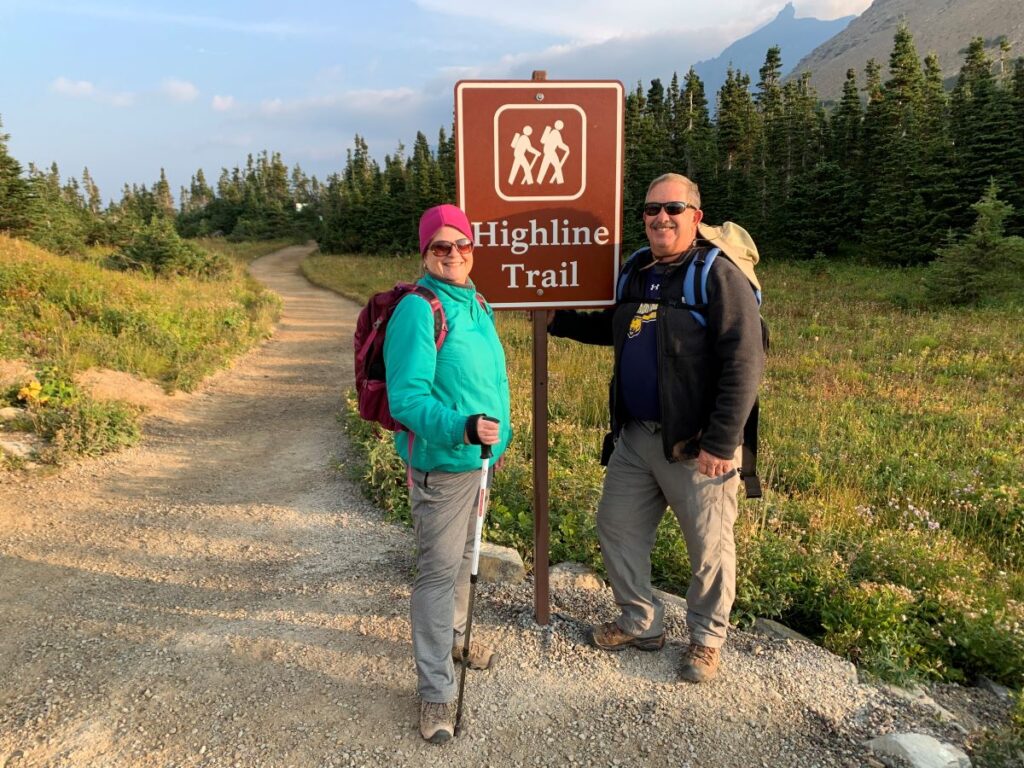
Your Essential Guide to Hiking Glacier's Highline Trail
Imagine a journey where every turn reveals a postcard-perfect panorama, where glacial-fed waters sparkle in the distance, and the crisp mountain air fills your lungs with invigorating energy. If this sounds like your ideal adventure, then the Highline Trail in Glacier National Park is calling your name. Consistently ranked among the park's most iconic and breathtaking treks, this trail offers an unparalleled immersion into the wild, majestic heart of Montana's "Crown of the Continent."
From vibrant alpine wildflowers to potential sightings of bighorn sheep and mountain goats, coupled with unparalleled views of towering peaks and distant glaciers, the Highline Trail truly encapsulates the grandeur of Glacier National Park. While it's a journey that demands a full day, its generally manageable elevation profile makes it accessible to a wide range of hikers, promising an experience that will etch itself into your memory forever. This comprehensive guide will equip you with all the vital information needed to plan and embark on your unforgettable Highline adventure.
Why the Highline Trail is a Must-Do in Glacier National Park
What makes the Highline Trail in Glacier National Park stand out as a bucket-list experience for so many? It's the sheer, continuous spectacle of natural beauty that unfolds with every step. Unlike many trails that save their grandest views for the summit, the Highline Trail delivers breathtaking vistas almost immediately and maintains them throughout its length.
- Uninterrupted Panoramic Views: Winding along the famous Garden Wall, the trail offers expansive, unobstructed views across the McDonald Valley and towards towering peaks like Mount Cannon and Heavens Peak. You'll understand why it's often described as a "postcard view 100% of the time."
- Glacial Spectacle: While many of Glacier's namesake ice formations are receding, the trail still provides glimpses of distant glaciers, reminding you of the park's powerful geological history.
- Diverse Ecosystems: Traverse through lush alpine meadows bursting with wildflowers in mid-summer, providing a vibrant contrast to the rugged rock faces. The ever-changing scenery keeps the hike dynamic and engaging.
- Wildlife Encounters: The Highline is renowned for its wildlife viewing opportunities. Keep an eye out for mountain goats gracefully navigating the steep slopes, bighorn sheep, and even marmots. Remember to maintain a respectful distance and never feed wildlife.
- Manageable Ascent: Despite its length, a significant portion of the Highline Trail involves relatively little elevation gain, especially if you start from Logan Pass. This makes it a fantastic option for hikers who want a big mileage day without the relentless uphill grind.
It's more than just a hike; it's an immersive journey through some of the most dramatic landscapes North America has to offer. For a deeper dive into what to expect on the trail, check out Highline Trail: Epic Views & What to Expect in Glacier NP.
Planning Your Highline Trail Adventure: Best Time & Getting There
Successful planning is key to maximizing your experience on the Highline Trail in Glacier National Park. Understanding the best time to visit and how to navigate to the trailhead are crucial first steps.
When to Hike the Highline Trail
The prime window for hiking the Highline Trail typically runs from early July through late September. This timing is almost entirely dictated by the opening and closing of the iconic Going-to-the-Sun Road, which provides access to the Logan Pass trailhead.
- Peak Season (July & August): Expect the fullest wildflower displays and generally stable weather. However, this is also the busiest time, so anticipate crowds and plan for very early starts.
- Shoulder Season (September): Early September can offer fewer crowds, stunning fall colors (though less dramatic at higher elevations), and still pleasant hiking weather. Be aware that weather can become more unpredictable towards the end of the month, with early snowfalls possible.
Important Note: The Going-to-the-Sun Road is a high-elevation mountain pass and is usually only fully open from late June or early July until late September or early October, depending on snowpack and weather conditions. Always check the official Glacier National Park website for current road status before your trip.
Getting to Glacier National Park and the Trailhead
Your journey to the Highline Trail in Glacier National Park will likely begin by flying into Glacier Park International Airport (FCA) in Kalispell, Montana, which is conveniently located about a 30-minute drive from the park's west entrance.
Once you arrive, a car is generally the best way to explore Glacier National Park. However, navigating the park requires specific considerations:
- Going-to-the-Sun Road: This engineering marvel is the primary access route to the Highline Trail's starting point at Logan Pass. It's a narrow, winding mountain road with stunning views, but sections are restricted for vehicles longer than 21 feet. RVs and large campervans are not permitted past Avalanche Creek on the west side or Rising Sun on the east.
- Vehicle Reservation System: During peak season (typically late May through early September), Glacier National Park implements a vehicle reservation system for certain areas, including Going-to-the-Sun Road. This is a crucial detail! You will need a reservation to access Logan Pass during restricted hours, in addition to your park entrance fee. Book these well in advance as they sell out quickly.
- Park Shuttle System: Glacier offers a complimentary shuttle service along Going-to-the-Sun Road. While driving your own car to Logan Pass allows for the earliest start, the shuttle is an excellent option for one-way hikes (like Logan Pass to The Loop) or if you prefer to avoid the stress of parking. You would park at a designated shuttle stop further down the road and take the shuttle up to Logan Pass.
Navigating the Trail: Routes, Parking & What to Expect
Understanding your route options and parking logistics is vital for a smooth Highline experience.
Highline Trail Route Options
While various segments can be hiked, the most celebrated and comprehensive way to experience the Highline Trail in Glacier National Park is typically via one of these two main options:
-
Logan Pass to The Loop (One-Way): This is arguably the most popular and recommended route, covering approximately 11.4 miles (18.3 km).
- Start: Logan Pass Visitor Center.
- Trail Progression: You'll hike along the Garden Wall, pass Haystack Pass, potentially visit the historic Granite Park Chalet (an excellent spot for a break or even an overnight stay if you have reservations), and then descend via the Granite Park Trail to "The Loop" on Going-to-the-Sun Road.
- Logistics: Since this is a one-way hike, you'll need to utilize the park's shuttle system from The Loop back to Logan Pass (or wherever you parked your car). Ensure you understand the shuttle schedule and pick-up points.
-
Logan Pass to Haystack Pass (Out-and-Back): A fantastic option for those seeking a shorter but equally scenic experience, or if shuttle logistics seem too complicated.
- Start & End: Logan Pass Visitor Center.
- Trail Progression: Hike approximately 3.4 miles (5.5 km) to Haystack Pass, enjoy the views, and then turn around and return the way you came. This results in a roundtrip hike of about 6.8 miles (11 km).
- Benefits: Still offers incredible views, especially along the iconic "cliff section" (which has a hand cable for security), but with less mileage and no need for shuttle coordination.
Crucial Parking Information for Logan Pass
Parking at Logan Pass Visitor Center is notoriously competitive, especially during peak season. The lot often fills up by 8:00 AM or 9:00 AM every morning. To secure a spot for your Highline adventure, you absolutely must plan to arrive well before this time – think 6:00 AM or 7:00 AM. If you are unable to find parking, your best bet is to use the park's shuttle system from a lower parking area.
Essential Tips for a Memorable Highline Hike
Beyond the basics, a few key tips can elevate your Highline Trail experience from good to absolutely unforgettable.
- Pack Smart:
- Water: Carry plenty! There are no reliable water sources directly on the trail. A hydration pack is highly recommended.
- Layers: Weather in the mountains can change rapidly. Bring layers, including a rain jacket, even on a sunny day.
- Sun Protection: At high elevations, the sun is intense. Sunscreen, a hat, and sunglasses are non-negotiable.
- Snacks: Fuel for a long day. High-energy snacks are best.
- Bear Spray: This is bear country. Carry bear spray, know how to use it, and keep it accessible.
- Sturdy Footwear: Good hiking boots with ankle support are recommended for comfort and stability on varied terrain.
- Acclimatize: If you're coming from sea level, give yourself a day or two to adjust to the higher elevation before tackling a strenuous hike like the Highline.
- Check Conditions: Always check current weather forecasts, trail conditions, and any park alerts (e.g., bear activity, trail closures) on the Glacier National Park website or at a visitor center before you head out.
- Leave No Trace: Pack out everything you pack in. Stay on marked trails. Do not disturb wildlife or natural features.
- Early Bird Gets the Views (and Parking): This cannot be stressed enough. Arriving before the crowds not only secures your parking spot but also offers a more serene hiking experience with better chances for wildlife sightings.
To help plan your logistics, read our guide on Hike Glacier's Highline Trail: Best Time, Parking & Routes for more detailed information.
Hiking the Highline Trail in Glacier National Park is more than just an activity; it's an encounter with the raw power and exquisite beauty of nature. With proper planning, a respect for the environment, and an adventurous spirit, you're set for an experience that will undoubtedly become a highlight of your travels. So lace up your boots, prepare your camera, and get ready to discover why this trail is celebrated as one of America's finest.
