Hike Glacier's Highline Trail: Best Time, Parking & Routes
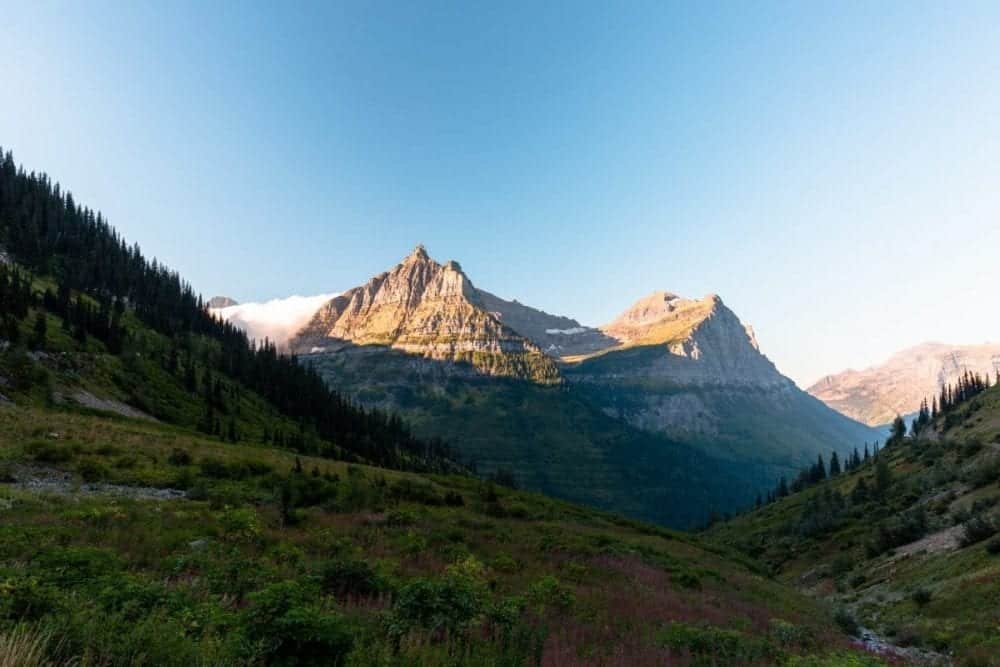
Are you dreaming of an unforgettable adventure amidst the rugged beauty of Glacier National Park? Look no further than the Highline Trail in Glacier National Park. Often lauded as one of the best hikes in the entire United States, this iconic trek perfectly encapsulates the park's raw, untamed essence. From panoramic views of ancient glaciers and sprawling alpine meadows bursting with wildflowers to thrilling wildlife encounters, the Highline Trail truly offers a quintessential Glacier experience.
While the journey is long, its relatively gentle elevation profile for much of the path makes it accessible to most fitness levels, proving that epic views don't always require an agonizing climb. This comprehensive guide will equip you with all the vital information you need to plan your expedition, covering the prime hiking season, strategic parking advice, various route options, and crucial tips to ensure a safe and spectacular day on the trail. Prepare to be inspired – your adventure on the Highline Trail awaits!
Why the Highline Trail is a Must-Do Experience
What makes the Highline Trail in Glacier National Park so consistently ranked among the top hiking destinations? It's the sheer, unadulterated beauty that unfolds with every step. Imagine traversing a narrow ledge carved into the Garden Wall, with jaw-dropping vistas stretching for miles across the rugged Continental Divide. Here, postcard-perfect scenery isn't an occasional reward; it's a constant companion.
Hikers are treated to a symphony of sights: vibrant wildflowers carpeting the meadows in mid-summer, distant icy-blue glaciers clinging to towering peaks, and the impressive scale of Glacier's majestic mountains. Wildlife sightings are also a highlight, with bighorn sheep and mountain goats often spotted grazing casually near the trail, and the chance to observe marmots playing among the rocks. This trail isn't just a walk; it's an immersion into an untouched wilderness, a chance to connect deeply with nature's grandeur. Despite its considerable length, the trail’s gradual ascent from Logan Pass means you can soak in these incredible views without enduring relentless uphill climbs, making the effort profoundly rewarding.
Navigating the Highline Trail: Route Options & Overview
While the Highline Trail in Glacier National Park offers a singular, spectacular experience, you have a few options for how to tackle it. The most popular and highly recommended approach is the one-way route:
- Logan Pass to The Loop (One-Way): This is the classic Highline experience. Starting at the Logan Pass Visitor Center, the trail immediately offers dramatic views as it hugs the Garden Wall. After approximately 7.6 miles, you'll reach the historic Granite Park Chalet, a rustic backcountry lodge offering basic amenities and a truly unique overnight experience (reservations required far in advance). From the chalet, the trail descends steeply for another 4 miles through a series of switchbacks down to The Loop, a prominent bend on Going-to-the-Sun Road. This route totals about 11.6 miles and features a significant elevation descent towards the end. Hikers often consider adding an extra 1.2-mile (round trip) strenuous side trip to the Grinnell Glacier Overlook from near the Granite Park Chalet for unparalleled views of Grinnell Glacier. For more detailed preparation and what to expect on this journey, be sure to consult Your Essential Guide to Hiking Glacier's Highline Trail.
- Logan Pass Out-and-Back: Many visitors opt for a shorter, equally scenic out-and-back hike from Logan Pass. This involves hiking a portion of the Highline Trail and turning around when you feel ready. A common turnaround point is between Haystack Pass and Granite Park Chalet, allowing you to experience the iconic Garden Wall section and enjoy breathtaking views without committing to the full one-way descent to The Loop. This option is excellent for those with less time, energy, or who simply prefer not to deal with shuttle logistics.
Regardless of your chosen route, the early sections from Logan Pass are mostly level or gently uphill, making for a pleasant start. It's the descent from Granite Park Chalet to The Loop that presents the most challenging elevation change.
The Best Time to Hike the Highline Trail
Timing is everything when planning your adventure on the Highline Trail in Glacier National Park. The prime window for hiking this iconic trail generally stretches from July through September. This period aligns perfectly with the opening of the famous Going-to-the-Sun Road, which is your lifeline to the Logan Pass trailhead.
The Going-to-the-Sun Road typically opens in late June or early July and remains accessible until late September or early October, depending on snow conditions. Early July will often present a vibrant display of wildflowers, though you might still encounter some lingering snow patches, especially in shaded areas or at higher elevations. Late July and August offer consistently warm weather and full bloom, making it the most popular (and thus, busiest) time.
For those seeking fewer crowds and cooler temperatures, September can be a magical time to hike. The crisp autumn air and potential for early fall foliage add a different kind of beauty, though you'll need to be mindful of earlier sunsets and the increasing possibility of snow, which can lead to unexpected road closures. Always check the official Glacier National Park website for current road status and trail conditions before your trip, as weather in the mountains can be unpredictable.
Parking and Getting to the Trailhead
Accessing the Highline Trail in Glacier National Park requires careful planning, especially when it comes to parking. The main trailhead for the Highline Trail is located at the Logan Pass Visitor Center, situated along the breathtaking Going-to-the-Sun Road.
The most crucial advice for securing a parking spot at Logan Pass is to arrive incredibly early. During peak season (July and August), the Logan Pass parking lot often fills up completely by 8 or 9 AM, especially on weekends. If you're planning a full-day hike, particularly the one-way route to The Loop, having your vehicle at Logan Pass allows for the earliest possible start.
For those who prefer not to deal with the early morning rush or find the lot full, Glacier National Park offers a convenient shuttle system. While the shuttle can be an excellent option for returning to Logan Pass from The Loop after completing your one-way hike, relying on it to get to the trailhead for an early start can be challenging due to its schedule. It's generally recommended to drive your own vehicle to Logan Pass if you aim for a pre-8 AM start.
Getting to Glacier National Park itself is usually via Glacier Park International Airport (FCA) in Kalispell, Montana, which is just a 30-minute drive from the park's west entrance. Once inside the park, a car is the best way to explore, but be aware that sections of Going-to-the-Sun Road have length restrictions (vehicles over 21 feet are not permitted), making it unsuitable for large RVs or campervans.
Essential Tips for an Unforgettable Highline Experience
To ensure your hike on the Highline Trail in Glacier National Park is both safe and spectacular, keep these practical tips in mind:
- Pack Smart and Light: This is a long hike. Carry plenty of water (at least 2-3 liters per person), high-energy snacks, and layers of clothing. Weather can change dramatically in the mountains, so pack a waterproof jacket, a warm hat, and gloves, even on a sunny day. Sunscreen, sunglasses, and a wide-brimmed hat are also critical due to sun exposure.
- Footwear Matters: Sturdy, broken-in hiking boots with good ankle support are essential.
- Bear Spray is a Must: Glacier National Park is bear country. Carry bear spray and know how to use it. It should be easily accessible, not buried in your pack. Consider pairing your bear spray with Highline Trail: Epic Views & What to Expect in Glacier NP for more in-depth safety advice.
- Stay Hydrated and Fuelled: Drink water regularly and snack often to maintain energy levels.
- Respect Wildlife: Maintain a safe distance from all wildlife. Never feed animals. If you encounter a bear, make noise, and carry your bear spray.
- Leave No Trace: Pack out everything you pack in. Stay on designated trails to protect the fragile alpine environment.
- Check Trail Conditions: Before heading out, verify current trail conditions, potential closures, and weather forecasts with the National Park Service.
- Be Prepared for Exposure: The initial section along the Garden Wall can feel exposed, especially if you have a fear of heights. Take your time and focus on the trail ahead.
The Highline Trail is roughly 11.6 miles one-way, taking most hikers between 6-8 hours, not including stops. Be sure to account for daylight hours and your return logistics from The Loop if doing the one-way hike.
Embarking on the Highline Trail in Glacier National Park is more than just a hike; it's an immersive journey into one of North America's most pristine and breathtaking landscapes. By understanding the best time to visit, planning your parking and route carefully, and preparing adequately with our essential tips, you are set to experience an adventure that will create lasting memories. From the towering peaks and glistening glaciers to the vibrant wildflowers and captivating wildlife, the Highline Trail offers an unparalleled perspective of Glacier's raw beauty. Don't just dream of it – plan your hike and discover why this trail truly is a jewel in the crown of the National Park System.
